That thought process is flawed and in this article I am going to prove to you that if that’s your perspective of the conversion funnel, you are losing guests and revenue every single day. I am also going to show you how to optimize the rest of your conversion funnel and how to better communicate to your marketing team your true conversion rate.
What do all these sites have in common and how does it impact the conversion funnel?
- Strong inbound marketing efforts to drive traffic to the sites
- Well-built sites that rank well for natural search
- Intelligent paid search campaigns to harvest guest intent to book
- Site structures that efficiently educates, persuades, and drives guests into the hotel booking engine
- An optimized booking process that maximizes conversion rate, regardless of device type.
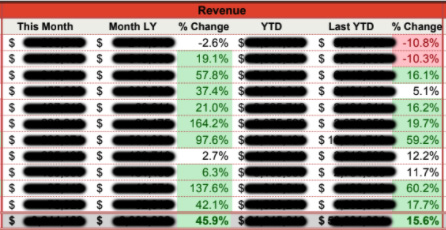
However, everything in this hotel revenue table is wrong. It’s a lie of omission and a lie that you are very likely participating in every day. It is a lie created by a narrow view of the true conversion funnel.
The problem comes when marketers or siloed on-property marketing directors begin to think that their performance in getting the online sale is a one-to-one ratio to guests getting to the property. This leads me to my central point.
If you are not looking at your full conversion cycle from initial interest through to post stay engagement you are missing the point… maximizing RevPAR.
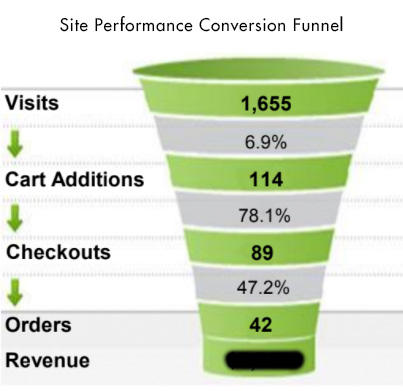
Focusing On The Full Hotel Conversion Funnel
What we have found is you can absolutely drive bookings by overcoming objections surrounding uncertainty. Things like no-fee cancellations, promoting sanitation at the property, and other tactics work very well.
What we have also found is, as Alec Baldwin’s character in Glengarry Glen Ross said, “Always Be Closing.” And that includes after the sale, between booking and stay. Maintaining that sales focused orientation through the stay all but guarantees a lower cancellation rate and higher ancillary purchase rate.
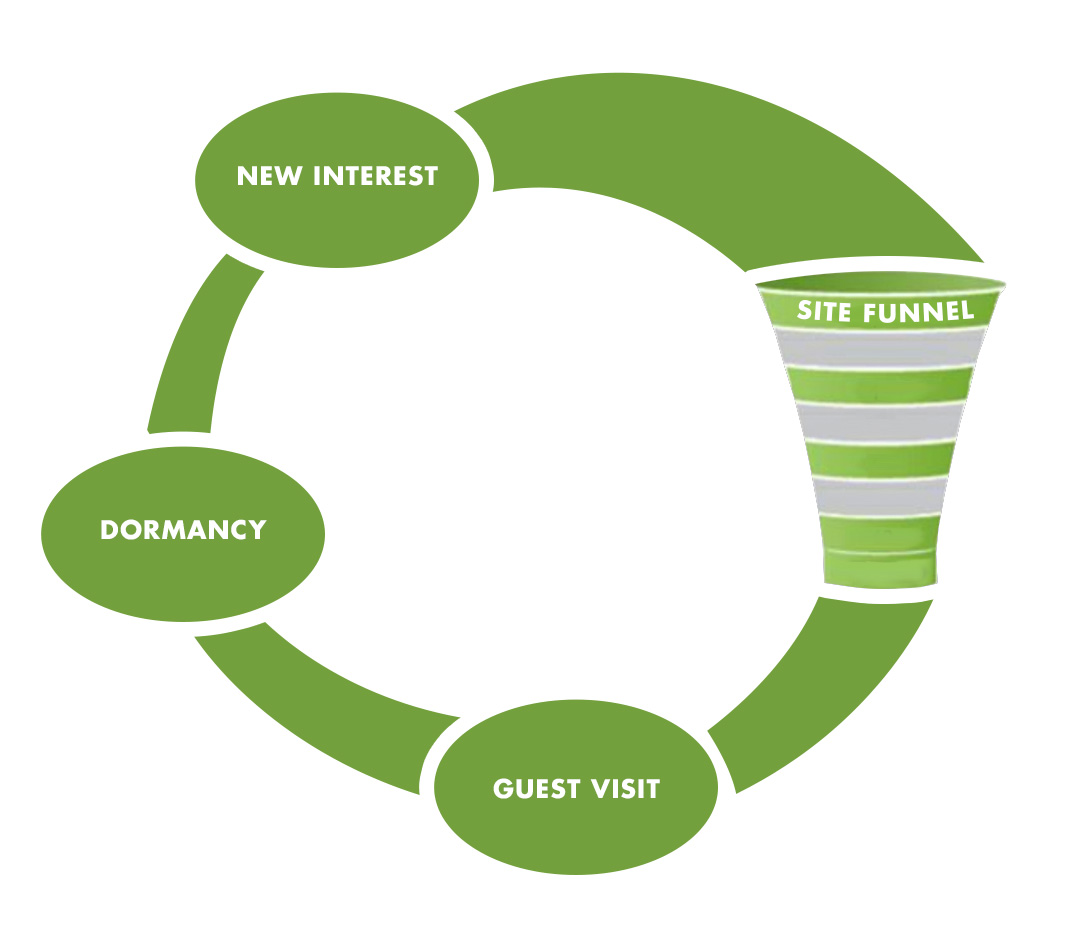
Marketers are often only responsible for the top half of the cycle and thus typically stop reporting after the booking. To be fair, even the team here at Fuel can find it difficult to fully understand what happens between booking and stay. Keeping the communications open between operations and marketing is critical in making sure you’re putting forth a holistic marketing approach through the entire funnel
We have covered driving repeat bookings, generating new interest, and maximizing site performance in the past. These top-half strategies are well documented in just about any of our articles we have produced. However in this article I am going to be solely focusing on the steps between booking and stay.
Maximize Your Hotel's Post-Booking Conversion Rate
The Confirmation Email
The confirmation email is your first chance (after the booking) to engage your guest and reassure them of their great decision to visit your area and stay at your property. Beyond just being a way to deliver a receipt, the confirmation email is a sales tool and should be focused toward getting your guest excited for their trip and keeping their wallet out a little bit longer. A post-booking conversion optimized confirmation will include the following (beyond the usual content).
- Room upgrade opportunities (if applicable)
- On-site amenities for the guest, either free or paid.
- Reassuring content to make the guest feel they made a good choice. An article like, “5 reasons your vacation to _____ will make you a hero” can go a long way to making the guest feel good and minimize any buyers remorse.
- Area information and guides
- Social sharing tools for the guest to let the world know they’re going on a trip
Pre-Arrival Triggered Emails
Triggered emails before the guest’s arrival are incredibly effective in creating the relationship with the guest, maximizing ancillary revenue, and minimizing cancellations. Just like the confirmation email, guests will open and read these emails. We recommend you set your triggered sends to re-engage your guest multiple times before their visit. A guest showing up in two days may only get a confirmation email and a pre-arrival email, but a guest that is a month or more out should be getting a couple messages. An example of some of these messages include:
- Room upgrade opportunities, such as “for only $__ more per night you can upgrade from a standard room to a suite.” Not only are you driving revenue, you’re also opening up entry price-point inventory that is often easier to sell to other guests.
- Things to do messages with itinerary ideas for your area, including on-property items. It’s even better if they’re able to book extras online. Add breakfast, book a ski excursion, anything that you offer that’s unique. The goal with this message is two fold, first to get the guest excited for their visit and second to drive revenue.
- Alerts for a guest’s specific date range can also be effective to keep your guests excited. If you are able to tie into an events feed you can pass along the fun things to do during the stay. You can also use this for any important property announcements that will help the guest.
- The pre-arrival email is often the last message the guest will receive before checking in. Just like the above messages you should be giving guests an opportunity to upgrade, in addition to the important check-in information.
There’s plenty of additional triggered emails you can setup to engage your guests. Lucky for you we’ve written on the topic at length. Start with our article, “15 Triggered Messages Your Hotel Should Be Sending Your Guests”.
Social Proof
Social proof platforms, such as Flip.to can go a long way in not just driving new guests, but also keeping your existing guests from cancelling. From a psychology perspective, when someone tells their friends/family they are going to do something they are much more likely to follow through. These social proof tools go way beyond just posting to facebook, engaging friends of guests, and collecting photos. They are a powerful tool throughout the entire conversion cycle.
Personal Communications
Do you have the bandwidth to call your guests and let them know how excited you are to have them stay with you? Odds are you do and making a personal connection with a guest will help you identify any potential issues and extend the your level of guest service. It also gives you a chance to upgrade guests, reassure, and address any special needs the guest may have. From a cancellation perspective, no one wants to cancel a vacation but it’s definitely harder to do when it’s with a person rather than a faceless corporation.
Paid Reassurance Campaigns
This is a newer strategy we are working on at Fuel and something that could be very exciting. One of the benefits of having someone book online is you know who they are and can reach back out to them via paid audience targeting on search and social. Why would you pay to engage a customer who has already booked? That’s a fair question and I would contend that if you are seeing a high cancellation rate, maybe you have not fully closed that sale and need to invest the funds.
This strategy is designed to create an impression with the guest in advance to achieve two primary goals:
- Reassure the guest they made the right choice. This would not be a hard sell, but a low cost campaign to promote content that makes the guest feel good about their upcoming visit.
- Drive upgrades and ancillary revenue. As a guest is shopping on Google for that new bathing suit, wouldn’t it be great to for them to upgrade their room to an oceanfront suite? Really, it’s just an additional $15 per night!
Setting up this type of campaign only requires a minimum of 100 users on Faecbook or Google and your PPC team can walk you through the process. Just like any effort (particularly paid) you will wan to make sure you are tracking this carefully, though you don’t want this campaign or spend to be factored in to your other paid campaigns since the goals and KPIs are so different.
You can learn more about Google’s specific requirements for creating Customer Match Audiences here to see if your account is eligible for this feature. This would apply for your AdWords campaigns, YouTube, Gmail and display campaigns. Facebook’s audience requirements are similar and as long as you’ve got a minimum of 100 people in the audience you would be in a position to implement this strategy.
Can We Help Improve Your Post-Booking Conversion Rate?